From the intricate systems of energy and water flow to the critical technologies protecting lives and property, Specialist Trades constitute the complex infrastructure that makes modern structures functional, efficient, and safe. These trades are not merely about aesthetics; they are defined by a high level of technical mastery, adherence to stringent safety codes, and a commitment to innovation.

In this sector, precision, constant learning, and rigorous certification are paramount, turning engineering concepts into operational reality. These are the artisans of the unseen but essential. Below are a few of the roles that fall under this sector, which we can supply you with should you require!
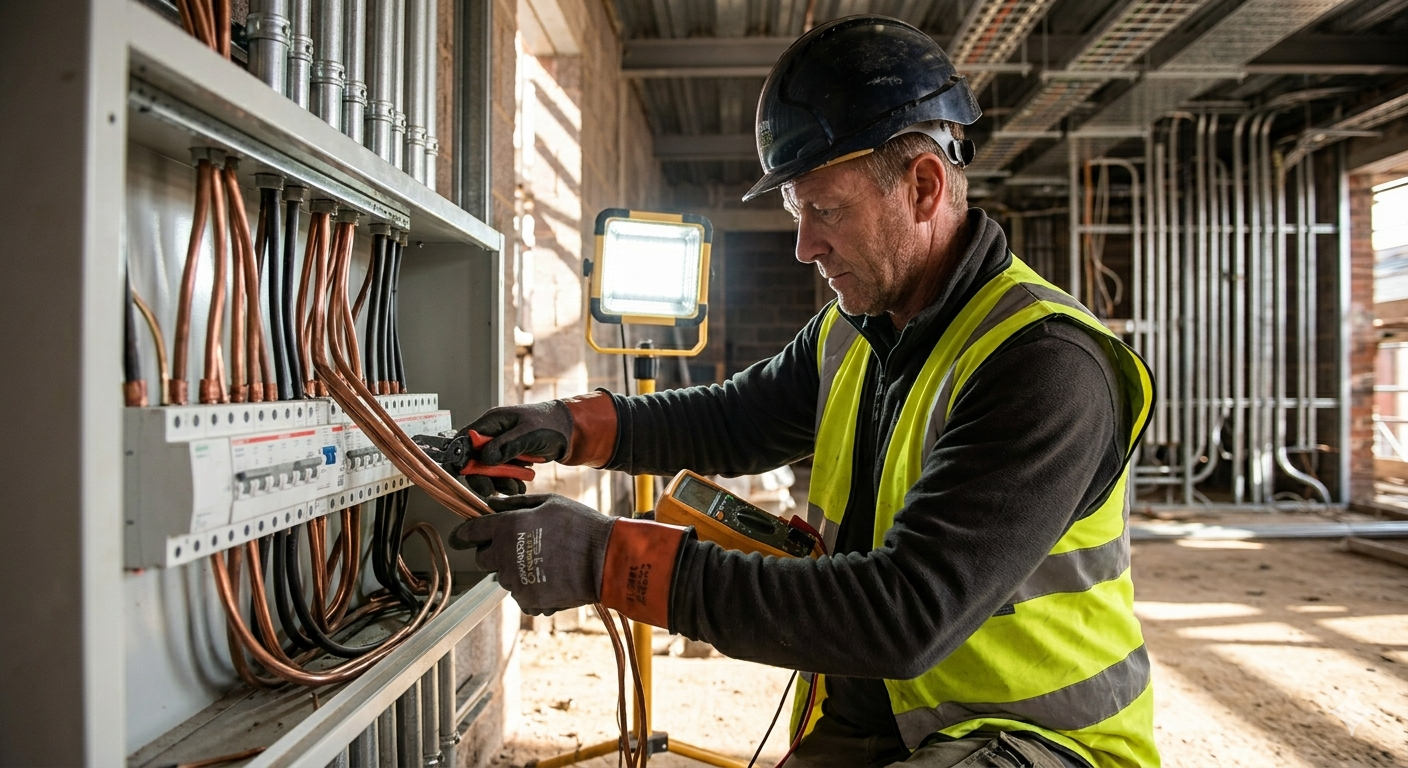
Electricians are masters of the current, managing the energy that powers our world. Their work covers everything from initial rough-ins to the final connection of complex control systems, working in residential, commercial, and heavy industrial environments.
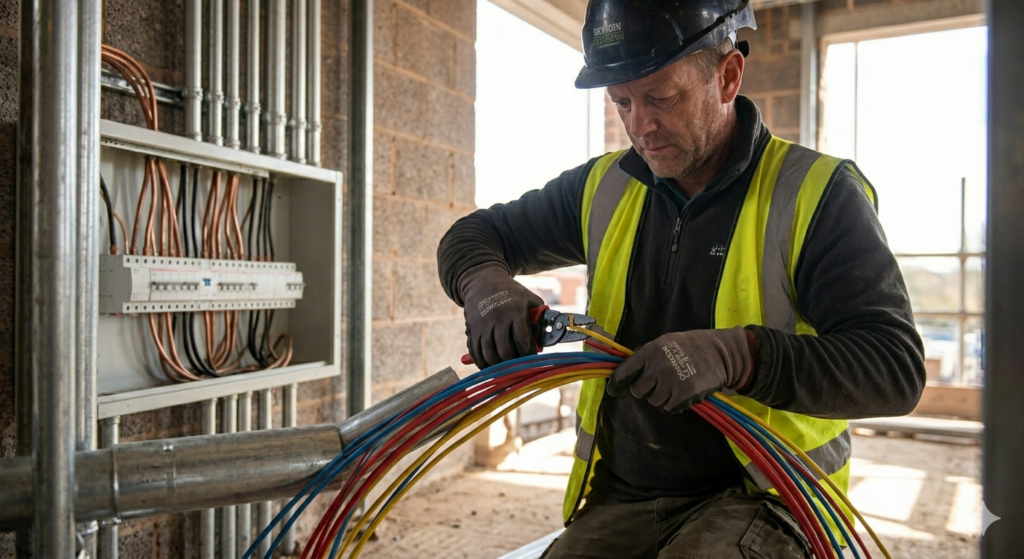
An Electrical Mate (or Assistant Electrician) is an integral part of a functional electrical team, providing the essential support and preparation that allows the qualified electrician to work efficiently. This role is a vital step in learning the trade.
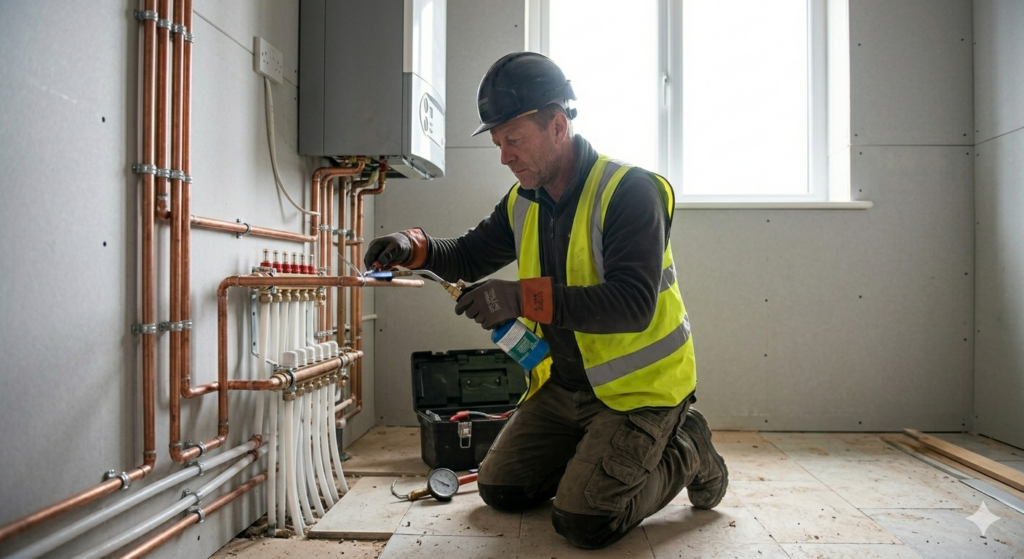
Plumbers specialize in the systems that convey water, gas, and waste. They are responsible for the entire lifecycle of these critical systems, from initial design and rough-in to the installation of final fixtures and ongoing maintenance.
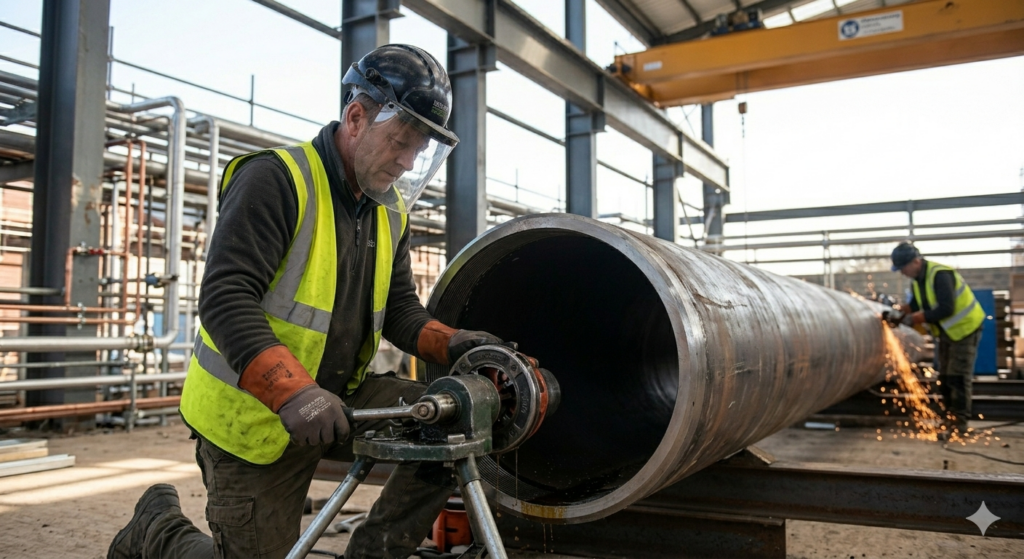
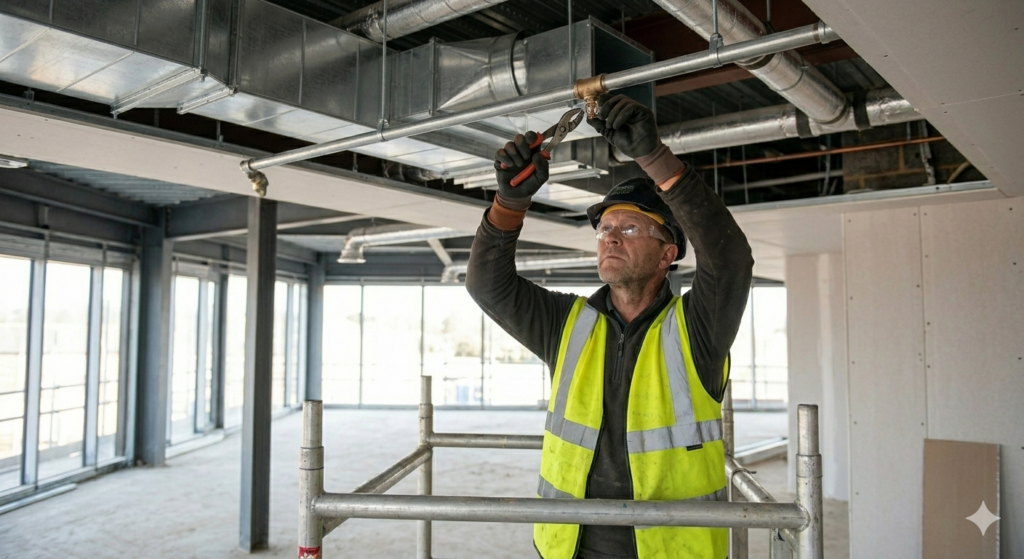
Pipefitters often work on a larger scale than plumbers, dealing with high-pressure, industrial, and specialized piping systems that carry chemicals, steam, and gases, in addition to water.
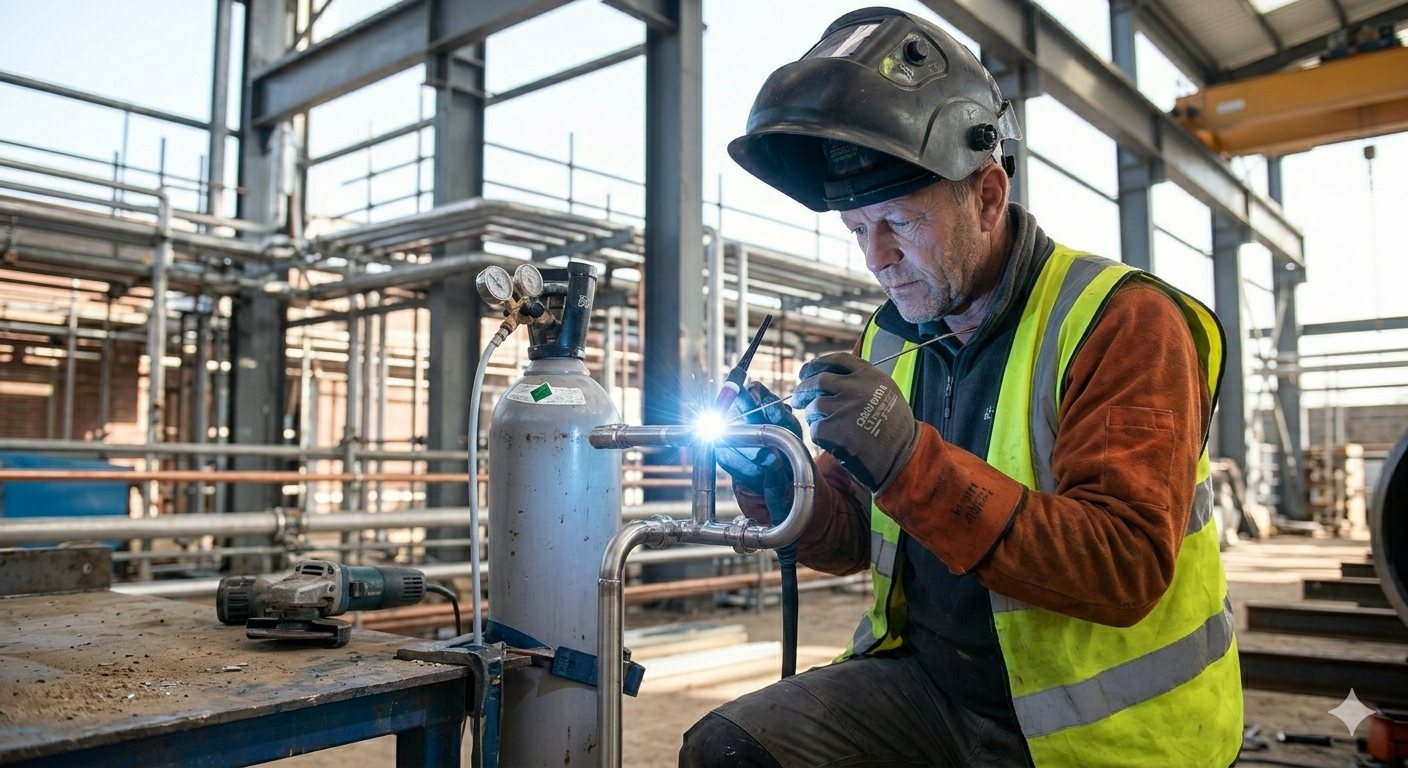
Welders use heat and pressure to permanently fuse metal components, a critical process in structural fabrication, piping systems, and machinery manufacturing. In construction, welding is often a highly regulated specialized trade.
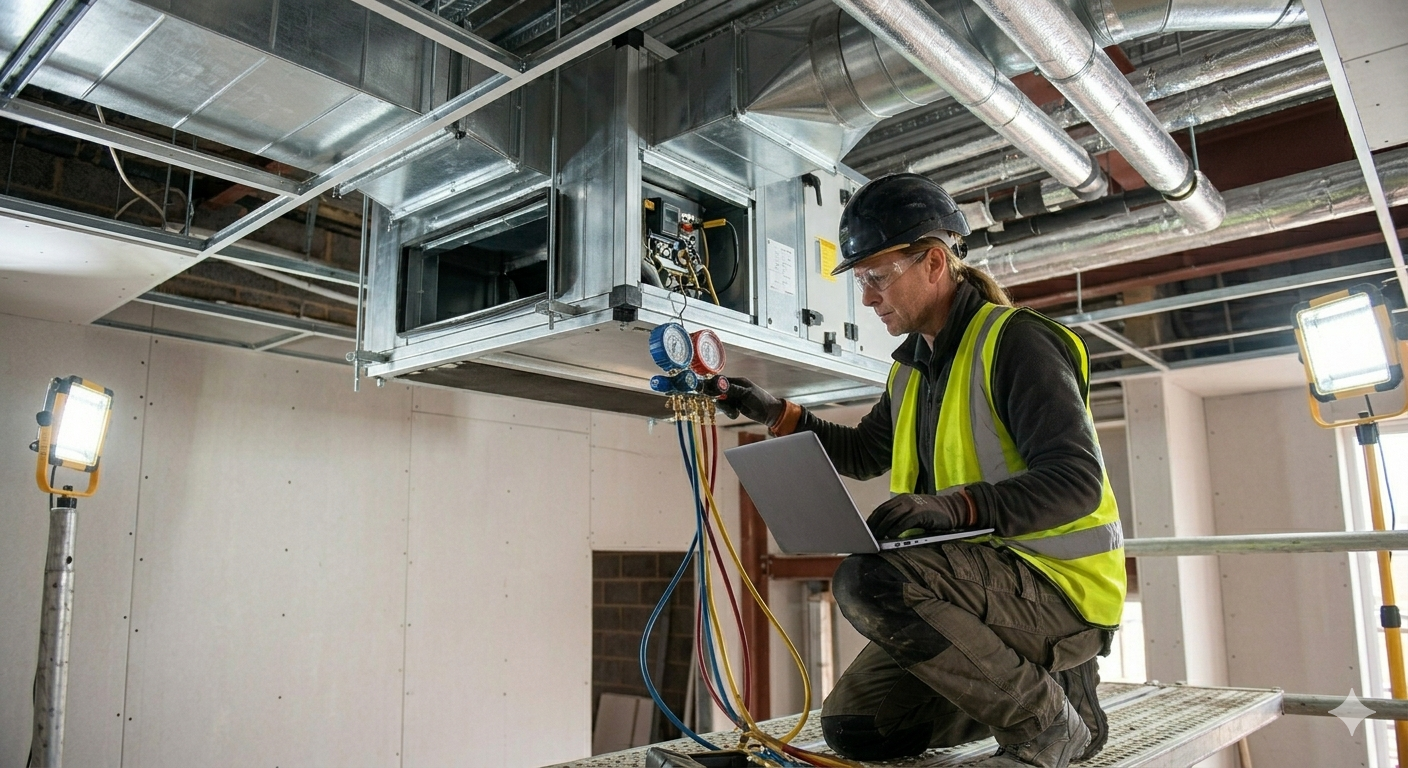
Heating, Ventilation, and Air Conditioning (HVAC) Engineers design, install, and maintain the complex systems that control the indoor environment, focusing on thermal comfort and air quality.
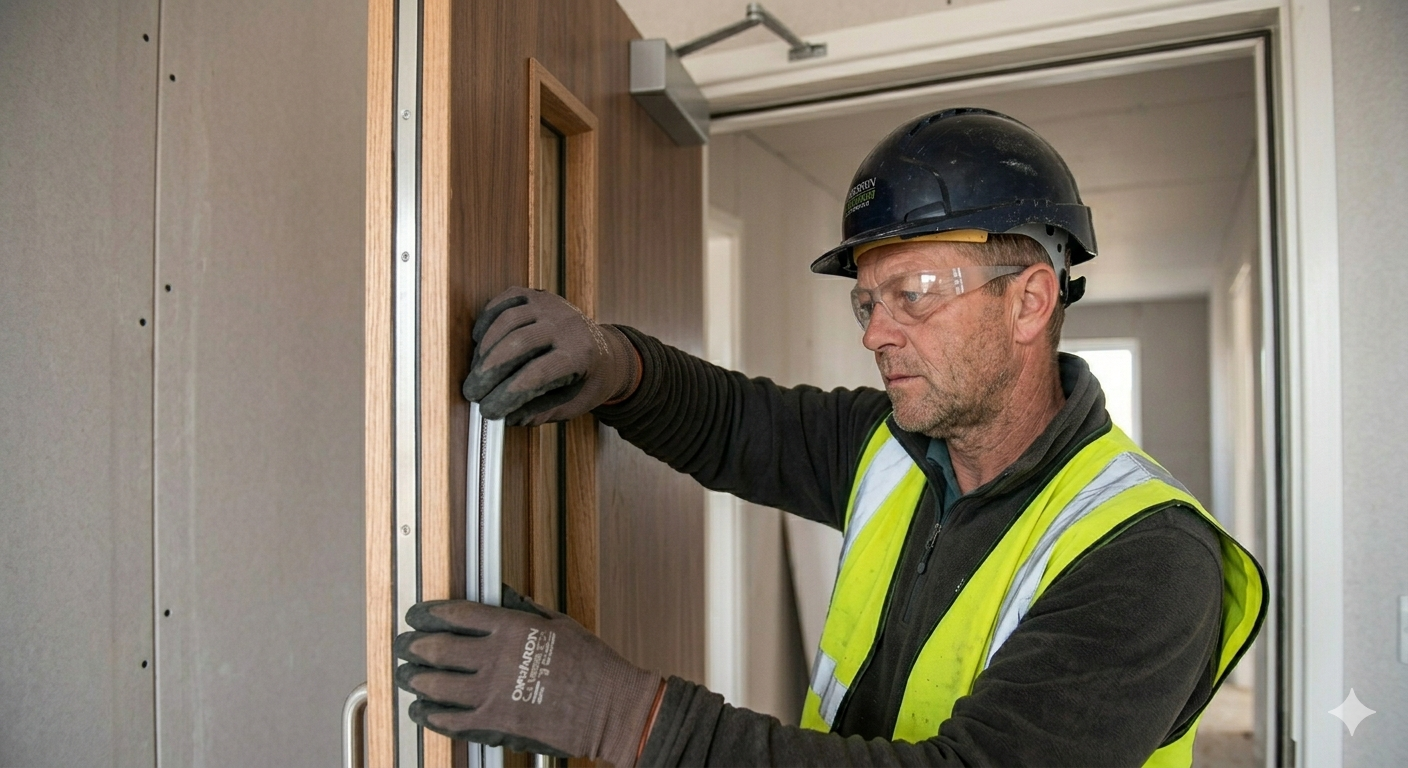
Fire Door Installers are specialized joiners who focus exclusively on the installation and maintenance of fire-rated door sets. Their work is a critical component of a building’s passive fire protection system.
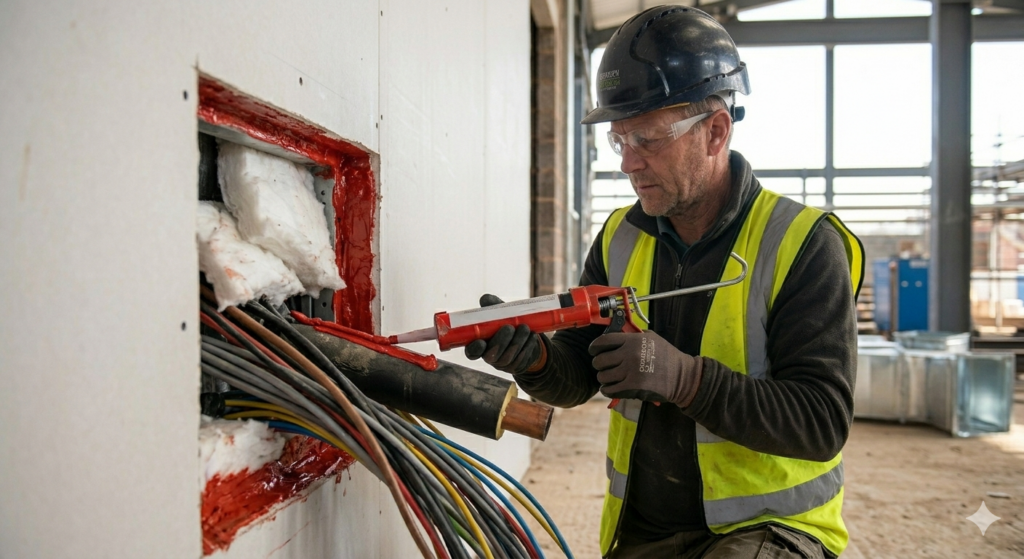
Fire Stoppers (or Passive Fire Protection Specialists) are critical for building safety. They install specialized materials to seal gaps and penetrations in fire-rated walls, floors, and ceilings, preventing the spread of fire, smoke, and toxic gases.
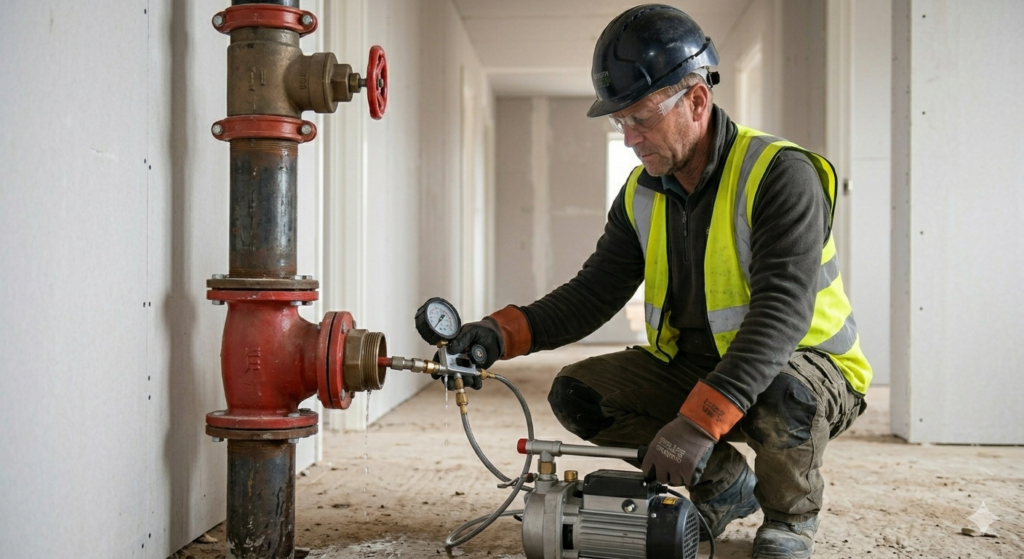
Dry Riser Engineers specialize in the installation, testing, and maintenance of dry riser systems. These are critical vertical pipes installed in high-rise buildings, allowing the fire service to pump water to upper floors quickly during an emergency.
Sprinkler Fitters are responsible for installing and maintaining automatic fire sprinkler systems, which are designed to detect, control, and extinguish fires in their early stages.
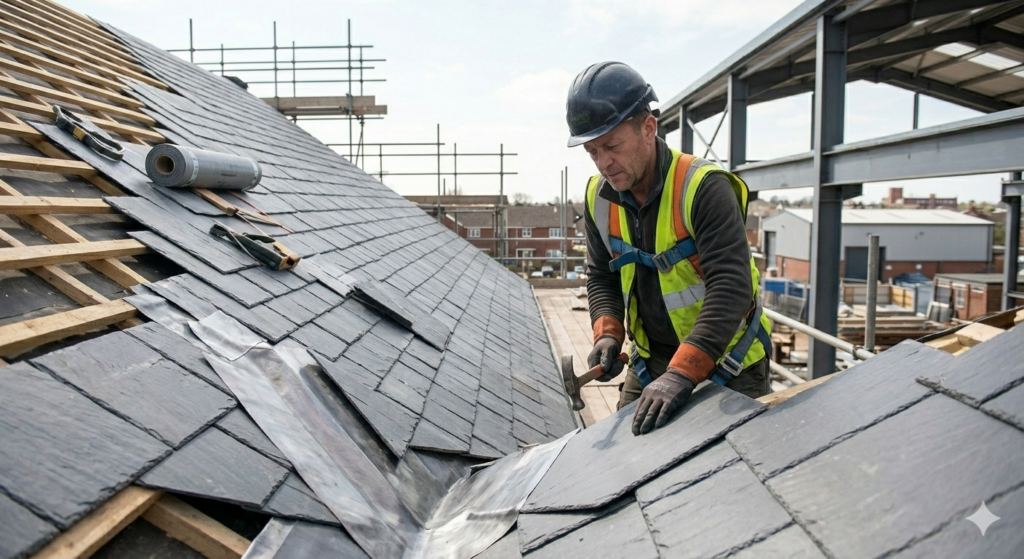
Roofers are the first line of defense against the elements, installing and maintaining the waterproof layers that protect the entire structure. Their work encompasses a wide range of materials and complex geometries.
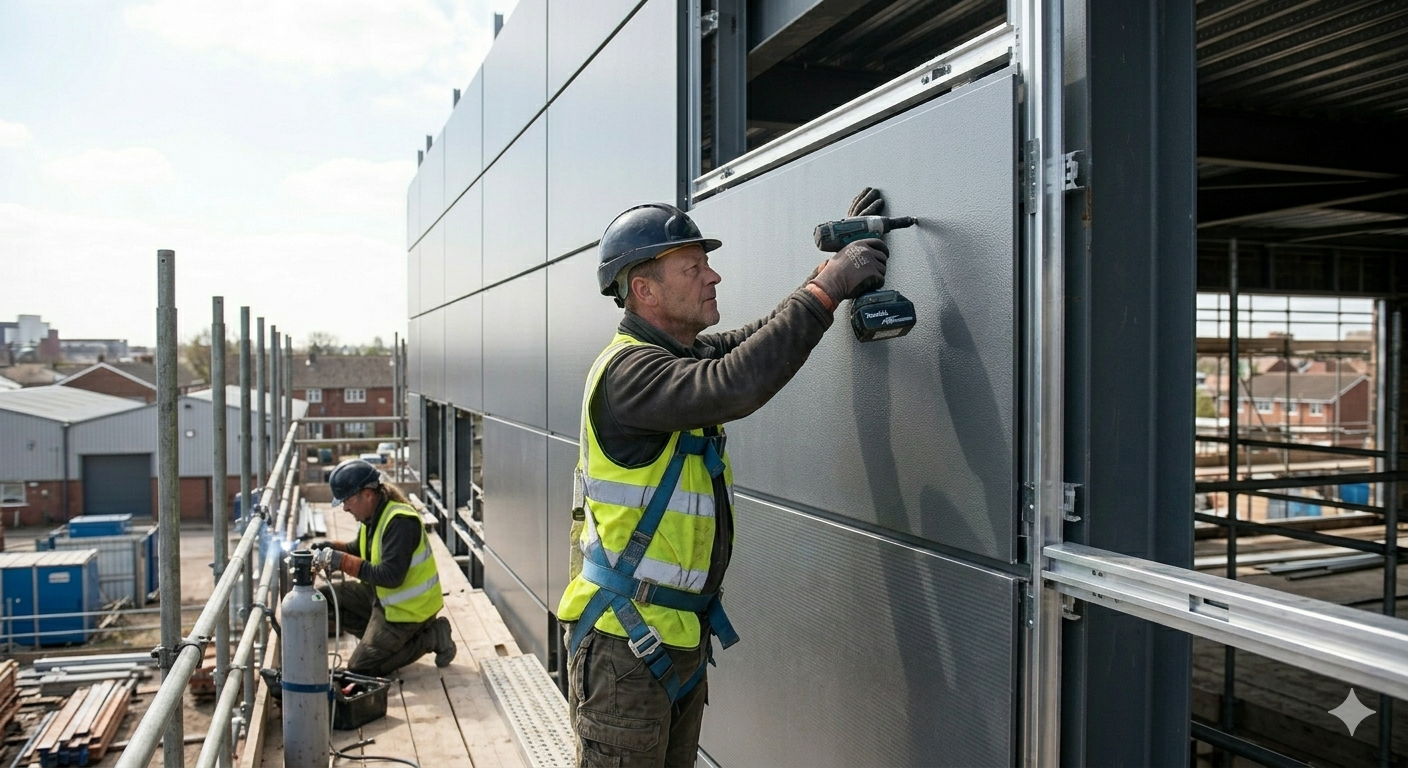
Cladders are responsible for installing the external building envelope, the non-structural outer layer that provides weather resistance, thermal insulation, and the primary aesthetic finish to a structure.
Stuck for Staff? Contact our specialist team today with your requirements and let us be of assistance!
With a multitude of sectors and clients on our database, apply now with your up to date CV and we can locate you your next role!
We have compiled all of our information into a helpful brochure to help display our excellence in recruitment!